Xiaomi Redmi Note 15 vs Samsung Galaxy A37: Which Should You Buy?
Both are 2026 mid-rangers built around a big AMOLED screen and long battery life — but one is €100 cheaper and the other promises six years of updates. Here's which one fits you.
Two of the most-searched mid-range phones in the Baltics right now sit at slightly different prices but chase the same buyer: someone who wants a big, bright screen and all-day battery without paying flagship money. Here's how the Xiaomi Redmi Note 15 and the Samsung Galaxy A37 actually differ.
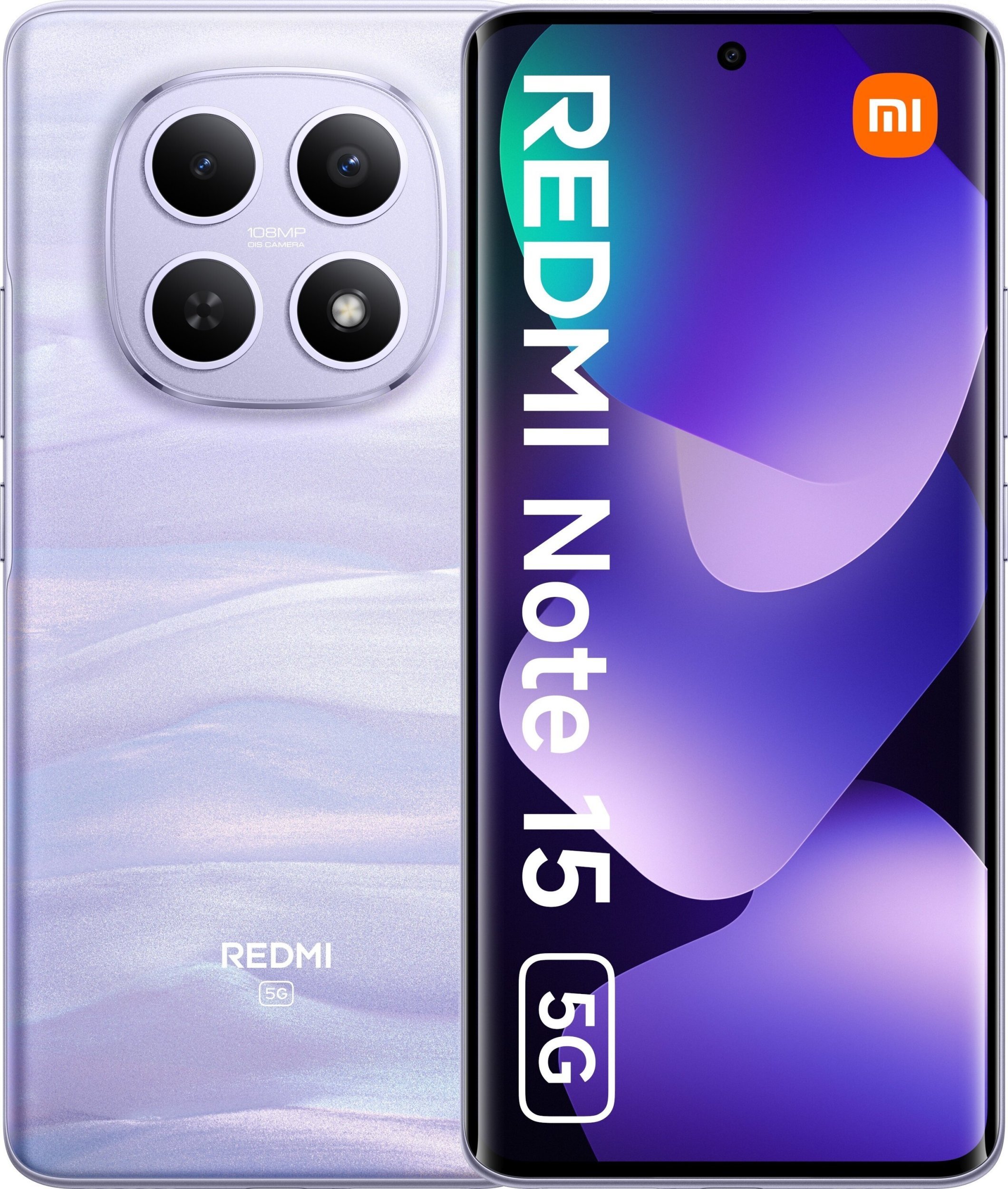
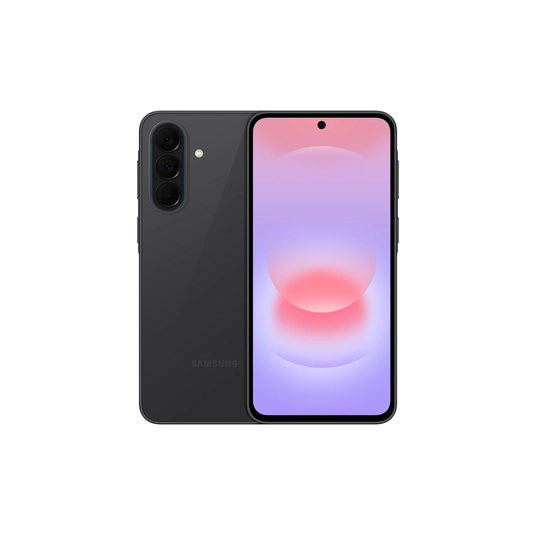
Design & build Both are slim 7.4 mm phones with flat sides and large 6.7-inch-class screens. The Redmi is lighter at 184 g against the Samsung's 196 g. The bigger gap is durability: the Galaxy A37 carries an IP68 rating (full submersion) and Gorilla Glass Victus+, while the Redmi Note 15 settles for IP64 splash resistance. If you're rough on phones, Samsung has the edge.
Display This one is close. The Redmi Note 15 has a 6.77-inch AMOLED, the Galaxy A37 a 6.7-inch Super AMOLED — both 120 Hz, both sharp FHD+ panels. Xiaomi quotes a very high 3,200-nit peak brightness, which helps in direct sunlight. In everyday use you'll be happy with either.
Camera Xiaomi leads on paper with a 108 MP f/1.7 main sensor versus Samsung's 50 MP f/1.8. More megapixels don't automatically mean better photos, and neither main camera has optical stabilisation, but the Redmi captures more detail in good light. Samsung answers with a dedicated 8 MP ultra-wide for landscapes and group shots — something the base Redmi lacks. For versatility Samsung wins; for pure daylight detail, Xiaomi does.
Performance & battery Here the phones diverge most. The Galaxy A37 runs Samsung's Exynos 1480 on a 4 nm process and, crucially, supports 5G. The Redmi Note 15's MediaTek Helio G100 Ultra is a capable 6 nm chip, but this base model is 4G-only — worth knowing if 5G matters to you. Xiaomi hits back with a larger 6,000 mAh battery (against 5,000 mAh), so it generally lasts longer between charges, though Samsung refills faster at 45 W versus 33 W.
Software & support Samsung's biggest advantage isn't a spec you notice on day one. The Galaxy A37 promises six OS upgrades and six years of security patches — support running to 2032. The Redmi Note 15 gets up to four Android upgrades on HyperOS. If you keep phones for many years, Samsung is the safer long-term bet.
Price & value In Baltic shops the Redmi Note 15 starts around €140, while the Galaxy A37 begins near €240 — roughly €100 more. That gap frames the whole decision.
Verdict Buy the Xiaomi Redmi Note 15 if you want the most hardware for the least money: a huge 6,000 mAh battery, a 108 MP camera and expandable storage, all for around €140. Choose the Samsung Galaxy A37 if you want 5G, better water resistance and — above all — six years of updates that keep it usable well into the next decade. For a tight budget, Xiaomi; for longevity and peace of mind, Samsung.
Compare more Xiaomi phones and Samsung phones to see current prices.