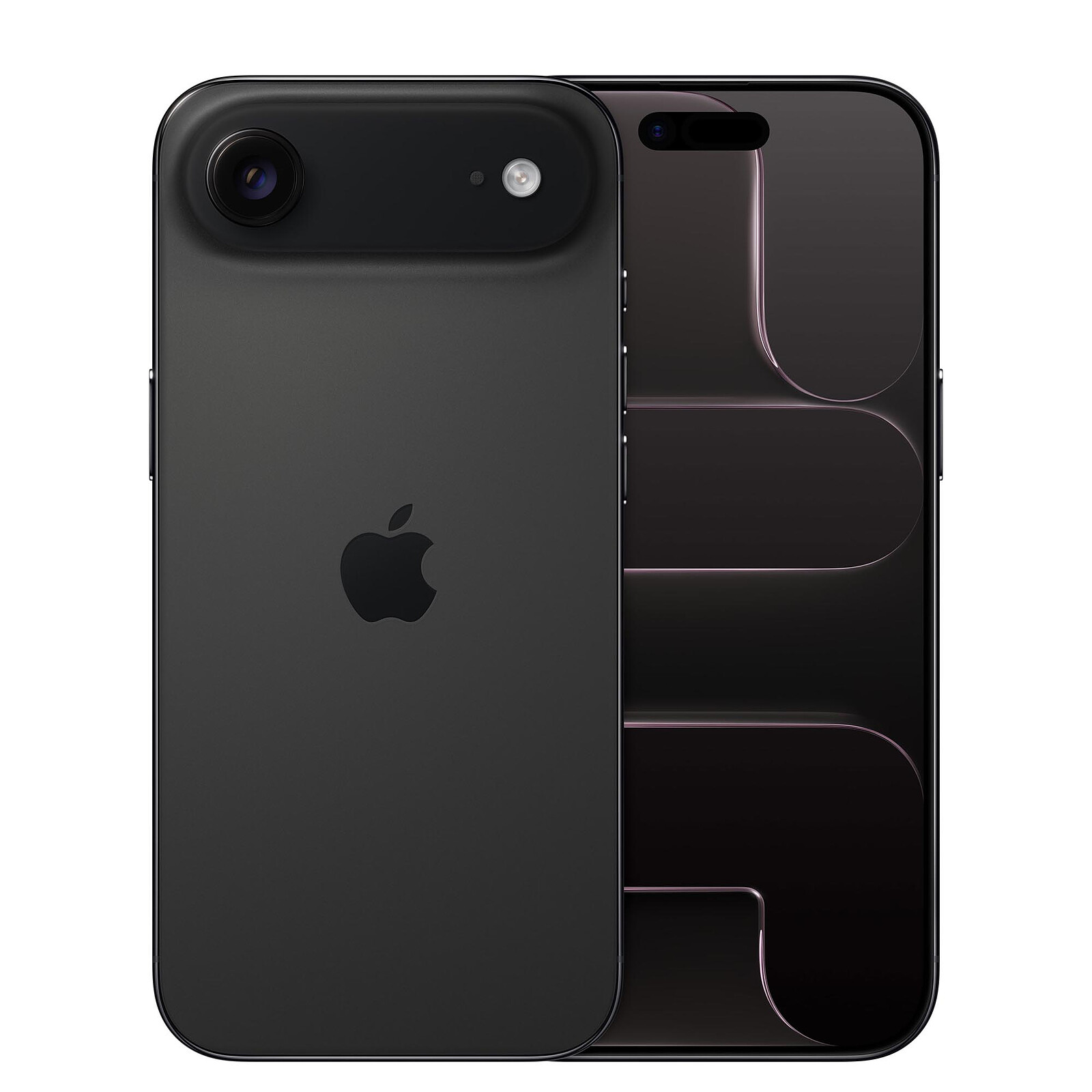
iPhone Air vs Samsung Galaxy S25 Edge: Which Ultra-Thin Flagship Wins?
The two thinnest flagships of 2025 go head to head. One is thinner, the other more versatile and cheaper. Which should you buy?
Two flagships, one radical idea
Both iPhone Air and Samsung Galaxy S25 Edge chase the same goal: a full-size flagship you can barely feel in your pocket. The iPhone Air is 5.6 mm thick, the S25 Edge 5.8 mm — numbers that felt impossible on a premium phone a year ago. But thinness forces trade-offs, and the two companies made very different choices. Here is how they compare for a Baltic buyer.
Design and build
Both phones use titanium frames to stay rigid despite their wafer profiles. The iPhone Air weighs 163 g, the S25 Edge about 165 g, so in the hand they feel nearly identical — remarkably light for 6.5-inch-plus devices. Samsung protects the front with Gorilla Glass Ceramic 2; Apple leans on its Ceramic Shield. Neither bends in normal use, though both trade the reinforced camera systems of their Pro and Ultra siblings for a slimmer body.
Display
The Galaxy S25 Edge has the larger canvas: a 6.7-inch Dynamic AMOLED 2X panel with a 120 Hz adaptive refresh rate and QHD+ resolution. The iPhone Air answers with a 6.5-inch LTPO Super Retina XDR OLED, also 120 Hz (Apple calls it ProMotion), and a searing 3000-nit peak brightness that stays readable in direct sun. Both are excellent; Samsung gives you more screen, Apple slightly brighter highlights.
Camera
This is where the philosophies split. The S25 Edge borrows the 200 MP main sensor from the Galaxy S25 Ultra and pairs it with a 12 MP ultrawide, so you get real framing flexibility. The iPhone Air keeps a single 48 MP Fusion rear camera; it fakes a 2x tele by cropping the sensor but has no dedicated ultrawide. For most snapshots the Air is superb, but if you shoot landscapes or group scenes, the second Samsung lens matters.
Performance and battery
The iPhone Air runs the Apple A19 Pro, a lightly binned chip with one fewer GPU core, tuned for sustained efficiency. The S25 Edge uses the Snapdragon 8 Elite for Galaxy, which pushes higher peak GPU throughput — the better pick for demanding games. Battery is the honest weak spot of any thin phone. Apple fits a 3,149 mAh cell (rated up to 27 hours of video), Samsung a larger 3,900 mAh. Both charge at 25 W wired; the Air adds 20 W wireless versus the 15 W of Samsung. Expect a full day of moderate use from either, but neither is a two-day phone.
Price and value
In Lithuania the iPhone Air starts around 820 € for 256 GB, while the Galaxy S25 Edge opens near 500 € for the same storage. That is a meaningful gap: the Samsung is not only cheaper but also throws in a bigger battery, a larger screen and a second camera.
Verdict
If you live in iOS and want the thinnest, most refined iPhone Apple has ever built, the iPhone Air is a genuine object of desire. But on pure value the Galaxy S25 Edge is the smarter buy — for hundreds of euros less it gives you more screen, a more versatile camera and longer endurance, while matching the Air on the thing that defines this category: being almost impossibly thin. For most Baltic shoppers, Samsung wins this round.